1. How AI is Changing the Legal Landscape In Intellectual Property
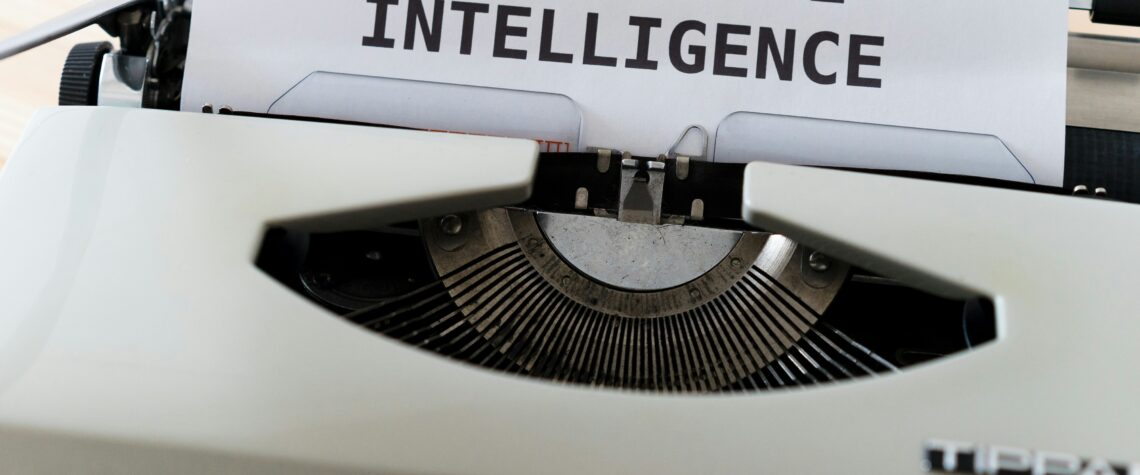
Remember when you were so excited to hear on the radio the release Beatles’ latest hit song? This will certainly predate many NCF readers. In November of 2023, 55 years after the Beatles split up in 1970, their final song was released “Now and Then”. And it is still making history. It won best rock performance Grammy in 2025. The song used what is called “restorative artificial intelligence” (AI) to strip John Lennon’s voice track from a 1978 demo and create a new, pristinely-produced song.
AI is revolutionizing the music world today, and it is creating a tsunami of legal headaches for lawyers and their clients in the music industry. AI is actually creating songs based on legacy artists by mimicking their voice, and musical style. But is this piracy or creativity? If AI can create a “George Straight song” instantaneously, what does that mean for George Straight himself? Should music producers be allowed to create an AI-created version of an artist’s voice for a musical work without the artist’s consent?
2. Elimination of Non-Compete Agreements
You own a small sales company that calls on customers throughout Middle Tennessee. Business is good. You need to add a new addition to your sales force. In years past, any competent lawyer would advise you to be sure and get a non-compete agreement with the new employee. Otherwise, you risk them leaving, taking your years of proprietary good will, moving down the street and starting their own company.
The times they are a changing. Recent changes in the law have now made covenants not to compete unlawful in Tennessee. Also, this year the Federal Trade Commission ordered one of the largest pest-control companies in the United States—to stop enforcing noncompete agreements against more than 18,000 employees nationwide.
Employers can still protect themselves against an employee’s use of confidential and proprietary information, but care must be taken today when drafting such agreements.
3. Election Law and Drawing New Districts
Where did the term “gerrymandering” come from? It was coined at a Boston dinner party in 1812, when a Massachusetts politician Elbridge Gerry redrew the state senate district to strike a blow the Federalists party to make room for the newly emerging Democratic party.
It seems like it is open season this year on redistricting. Eight states, including Tennessee, have announced plans to redraw Congressional districts. The result is that several new districts are comprised of large geographic areas separated by land as narrow as an Interstate which stretch for miles.
The Supreme Court weighed in on this issue in its decision in Louisiana v. Callais, where the Court struck down a congressional map as an unconstitutional racial gerrymander that created two majority-black districts, and limited the scope of the Voting Rights Act. The decision sent shock waves throughout the electoral community and has sparked even greater attention to creative line-drawing in states across the country.
4. Legal Protection for Employees and Students From Sexual Discrimination
Do employees have the right to sue for sexual harassment under Title IX of the 1972 Educational Amendments, or is this law limited exclusively to students? The U.S. Supreme Court agreed to accept a case that will decide this issue. The case will resolve a split among federal appellate courts on the issue. The case centers on MaChelle Joseph, who was fired from her job as a women’s basketball coach at the Georgia Institute of Technology in 2019 after filing a complaint alleging discrimination against the basketball team over the limited resources compared with the men’s team. The lawsuit seeks to level the playing field.
—Larry L. Crain, Crain Law Group, PLLC, crainlaw.legal, 615-376-2600