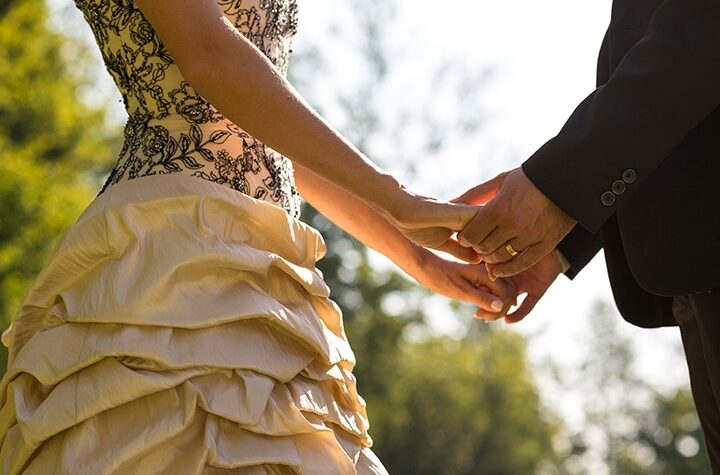
I recently attended a wedding where the minister recited the familiar vows, “to have and to hold.” As I listened, I wondered if those words resonated with the young couple the way they did with me. To explain this difference, I’ll share a story.
Consider a busy executive who cared deeply for his 90-year-old grandmother. After a long, demanding day, he looked forward to a peaceful evening at home. But just as he arrived, his grandmother called to say her washing machine had stopped working.Without hesitation, he reassured her, “Don’t worry. I’ll take care of everything.”
The next morning, determined to help, he went to a big-box store to buy a replacement. But as he stood in front of rows of washers, he realized he didn’t know what color his grandmother’s machine was. He called to ask. “What color is your washer?” “It’s brown,” she replied.
He scanned the options. “Brown? They only have white, black, blue, and green. No brown.” His grandmother then asked, “Where are you?” “At the store, getting you a new washer. When did you buy your current one?” “I bought it in 1978. It just needs a repair. Your grandfather had it fixed many times. I don’t need a new one.”
Her response was a reminder that previous generations often found contentment not in acquiring the newest things, but in caring for and appreciating what they already had. There is a quiet wisdom in valuing longevity, quality, and the memories attached to our possessions.
That day, his grandmother offered a valuable lesson about “having and holding.” In today’s culture, we excel at acquiring things. Consumerism is everywhere. But we often forget the importance of holding on, valuing, and stewarding what we already have.
In my daily role as a financial planner, I often help clients evaluate when it makes sense to purchase or sell cars or homes, take vacations, or make educational decisions. For example, last week a client considered selling a car he had bought just a year ago, which would have resulted in a $6,000 loss, simply to upgrade to a newer model with heated backseats, despite never using the backseat himself.
As stewards of the resources God has entrusted to us, it’s vital to remember the primary ways we use money: Give, Live, Grow, and Owe (taxes and debt). Impulse purchases can erode our ability to build wealth, lower our standard of living, and make us beholden to lenders.
Before making a major purchase or giving in to the urge to “have,” pause and consider the long-term impact. Seek wise counsel, whether from a trusted advisor, your church community, or our office. By choosing to hold, rather than simply to have, you can set yourself and your family on a path toward lasting financial health and peace.
—Michael Wallin, Certified Financial Planner™ Wallin, Hargis & Colquette For more information, please visit whcwealth.com or call 615-850-6710.